

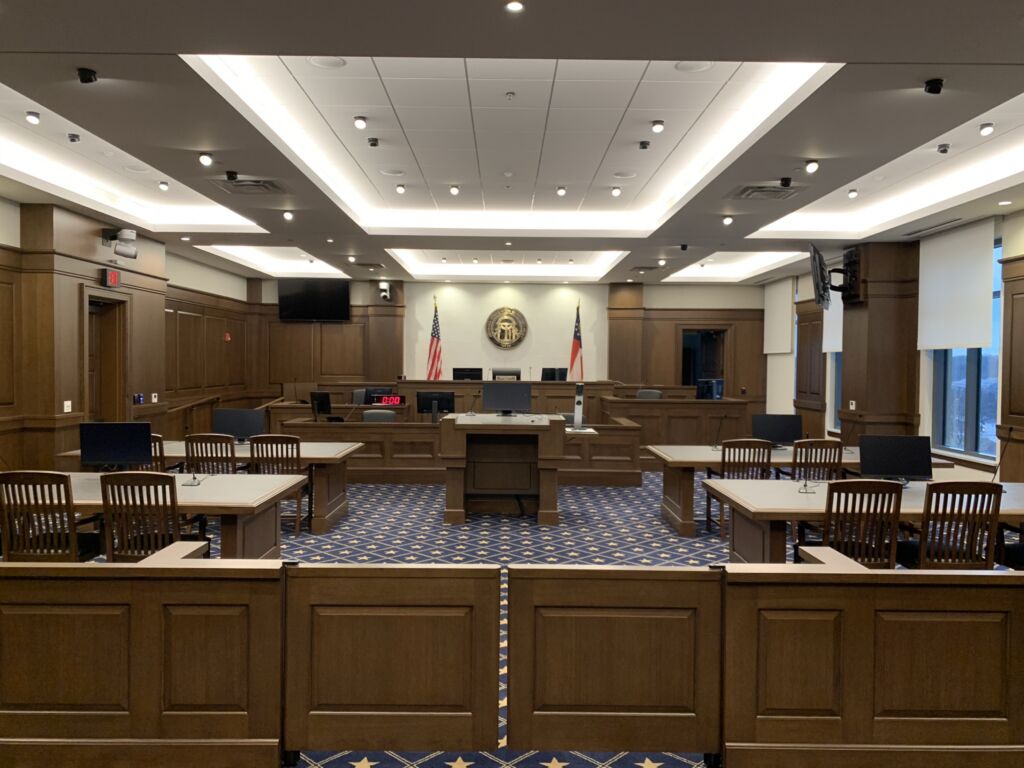

Federal vs state jurisdiction is one of the most important concepts for understanding how legal systems divide power and responsibility. Whether someone is dealing with a legal dispute, running a business, or simply trying to understand how laws are enforced, knowing the difference between federal and state authority can clarify where cases are heard and which laws apply. This article explores how federal vs state jurisdiction works, why it exists, and how it affects real world legal situations in a clear and practical way.
Understanding the Structure of Federal and State Legal Systems
In many countries with a federal structure, legal authority is divided between a central government and regional or state governments. This division allows both levels to create laws and maintain courts within their respective areas of responsibility.
Federal courts usually handle matters that involve national laws, constitutional issues, or disputes that cross regional boundaries. State courts focus on issues governed by regional laws, including most criminal cases, family law, and local business disputes.
This structure ensures that power is shared rather than concentrated in one authority.
Why Federal vs State Jurisdiction Exists
The concept of federal vs state jurisdiction exists to balance national unity with regional autonomy. National governments handle issues that affect the country as a whole, while states manage matters closely tied to local conditions and community needs.
This system allows:
- Consistency in national laws
- Flexibility for regional legal differences
- Clear separation of responsibilities
By defining legal boundaries, the system reduces conflict between different levels of government.
What Federal Jurisdiction Covers
Federal jurisdiction typically includes cases and matters that involve national laws or constitutional questions.
Common Federal Focus Areas
Federal courts often handle:
- Constitutional rights and interpretations
- Disputes between states or regions
- Cases involving federal agencies
- Certain financial and commercial regulations
- International trade and cross border matters
These areas require uniform standards across the entire country.
What State Jurisdiction Covers
State jurisdiction focuses on matters governed by state or regional law. This includes most legal issues that affect individuals in their daily lives.
Common State Focus Areas
State courts often hear:
- Criminal cases under state law
- Family law matters such as divorce and custody
- Property and landlord tenant disputes
- Contract disagreements
- Traffic and local regulatory cases
These matters are tied closely to regional rules and community standards.
How Courts Decide Which Jurisdiction Applies
Determining whether a case falls under federal or state authority depends on several factors.
Courts examine:
- The law involved in the dispute
- The parties involved
- The location of the events
- Whether a constitutional or national issue is present
In some cases, both federal and state courts may have authority. This is known as concurrent jurisdiction.
Concurrent Jurisdiction Explained
Concurrent jurisdiction means that a case can be heard in either federal or state court. This often occurs in disputes involving national laws that also affect local interests.
For example, a civil rights case might be filed in a state court or a federal court, depending on legal strategy and procedural considerations.
This overlap provides flexibility but can also create complexity for those involved.
Practical Example in Criminal Law
Most criminal cases fall under state jurisdiction because crimes usually violate state laws. However, certain offenses involve federal laws.
Examples of federal criminal matters may include:
- Crimes involving national borders
- Offenses against federal institutions
- Large scale financial fraud
In these cases, federal courts have authority even if the crime occurred within a single state.
Practical Example in Civil Law
In civil disputes, federal vs state jurisdiction often depends on the type of law involved and the parties to the case.
For instance, a contract dispute between two parties in the same state usually goes to a state court. However, if the parties are from different states and the dispute involves a significant financial amount, federal courts may have jurisdiction.
This system helps manage disputes that extend beyond regional boundaries.
Why This Distinction Matters for Individuals
For individuals, understanding federal vs state jurisdiction can clarify where legal rights can be enforced and what legal process applies.
Filing in the wrong court can lead to delays or dismissal of a case. Knowing the correct jurisdiction saves time and reduces legal costs.
This knowledge is especially useful for people involved in disputes that cross regional or national boundaries.
Why This Distinction Matters for Businesses
Businesses often operate in multiple regions, making jurisdictional awareness critical. Contracts, employment policies, and compliance strategies may need to consider both federal and state laws.
Understanding federal vs state jurisdiction helps businesses:
- Structure contracts properly
- Manage regulatory compliance
- Prepare for potential disputes
This awareness supports long term operational stability.
Common Misunderstandings
A common misconception is that federal courts are always more powerful than state courts. In reality, each has authority within its own defined area.
Another misunderstanding is assuming that all serious cases go to federal court. Many major legal matters are resolved entirely within state systems.
Understanding these distinctions prevents confusion.
The Role of Appeals in Both Systems
Both federal and state systems have their own appeal structures. Cases decided in lower courts can be reviewed by higher courts within the same system.
In some instances, a case may move from a state court to a federal court if it raises a constitutional issue.
This layered structure supports fairness and consistency in legal interpretation.
When Professional Guidance Is Helpful
Jurisdictional questions can become complex, especially when cases involve multiple regions, national laws, or constitutional rights. Professional legal advice can clarify which court is appropriate and how to proceed.
This article provides general information and does not replace legal counsel.
Also Check: How Territorial Jurisdiction Law Works in Criminal and Civil Cases
Final Thoughts
Federal vs state jurisdiction shapes how legal systems balance national authority and regional responsibility. By dividing power between different levels of government, the system ensures both consistency and flexibility.
Understanding how these jurisdictions work helps individuals and businesses navigate legal processes more confidently. In a world where legal issues increasingly cross regional boundaries, this knowledge becomes an essential part of informed decision making.
